Experience The Best Student Life In UK
Student Life In UK
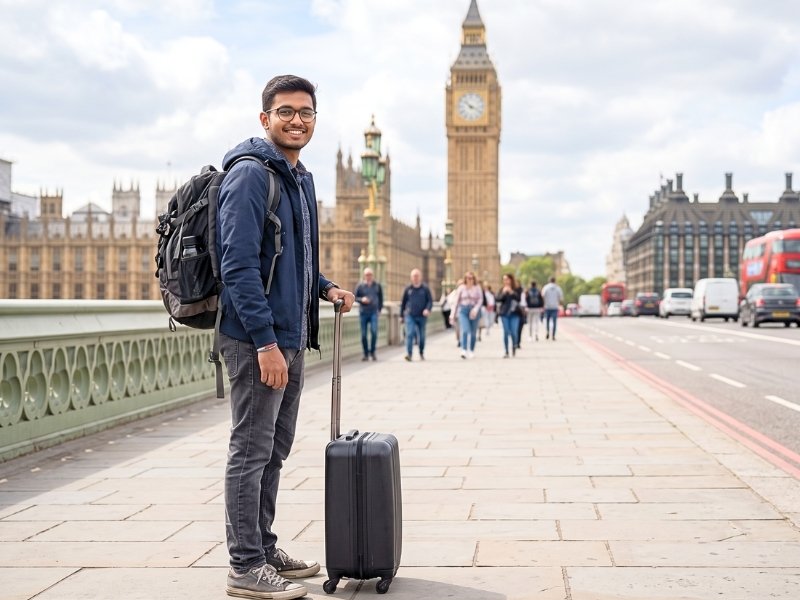
Experiencing student life in UK gives international students the opportunity to explore a new culture, meet people from different backgrounds, and develop valuable academic and personal skills. The life in UK for international students includes university lectures, student societies, cultural events, part-time work opportunities where permitted, and activities beyond the classroom. When choosing a university, researching the top student cities in UK can help students compare course options, transport facilities, living expenses, and available student support. A positive international student life in UK experience often involves participating in campus events, joining student clubs, and connecting with classmates from different countries. The campus life in UK can offer access to libraries, sports facilities, student unions, and academic support services, depending on the institution. Another important consideration is student accommodation in UK, with options such as university halls of residence, private student housing, shared flats, and studio apartments. Students should compare rent, location, transport costs, contract conditions, and included facilities before booking accommodation. For Indian students, indian student life in UK may also involve finding familiar food options, connecting with Indian student societies, and adapting to different weather, food habits, and teaching styles. At iVish Study Abroad, students can explore overseas education guidance and plan their university journey. Visit our Study in UK page to learn more about studying in the United Kingdom. For reliable accommodation advice, refer to the British Council guide to finding student accommodation and the UKCISA accommodation guidance for international students. Planning ahead can make student life in UK easier to manage, while researching the life in UK for international students helps students set realistic expectations before travelling. Comparing the top student cities in UK and learning about international student life in UK can help you choose a location that matches your budget and lifestyle. Before selecting a university, explore its campus life in UK facilities and compare available student accommodation in UK options. With thoughtful preparation, indian student life in UK can become a rewarding experience that supports both academic progress and personal growth.
“`- life in uk for international students
- top student cities in uk
- international student life in uk
- campus life in uk
- student accommodation in uk
- indian student life in uk
Safety In The UK For International Students
- life in uk for international students
- top student cities in uk
- international student life in uk
- campus life in uk
- student accommodation in uk
- indian student life in uk
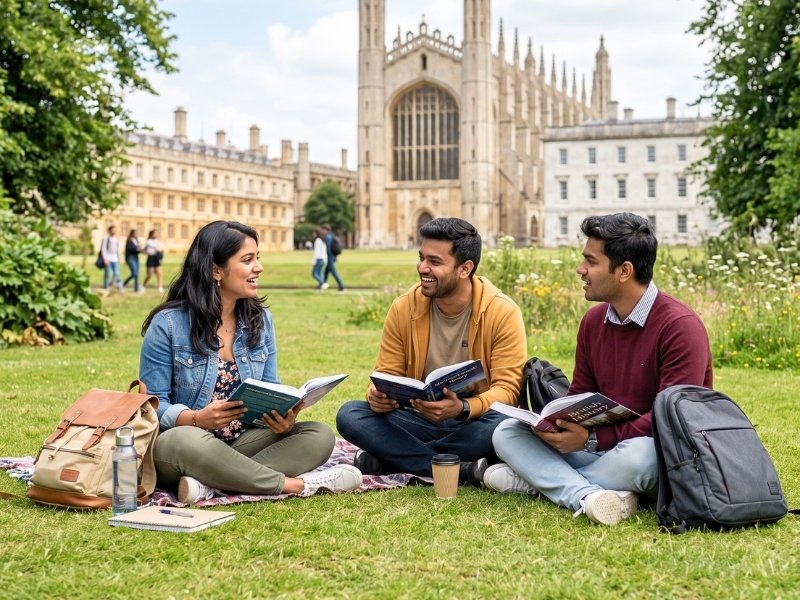
- University cities maintain dedicated campus security and 24/7 support lines
- Strong law enforcement presence with a reliable non-emergency reporting system (101)
- UKCISA and university international offices provide dedicated welfare support for overseas students
- Well-developed public transport with CCTV coverage in most major cities
- Student unions and Indian student associations offer peer support and orientation
Safety In The UK For International Students
- University cities maintain dedicated campus security and 24/7 support lines
- Strong law enforcement presence with a reliable non-emergency reporting system (101)
- UKCISA and university international offices provide dedicated welfare support for overseas students
- Well-developed public transport with CCTV coverage in most major cities
- Student unions and Indian student associations offer peer support and orientation
Student Accommodation
- life in uk for international students
- top student cities in uk
- international student life in uk
- campus life in uk
- student accommodation in uk
- indian student life in uk
University Halls of Residence
- Located on or near campus and often the easiest option for first year students
- Fully or partly furnished rooms, sometimes with meals included in catered halls
- Higher cost than shared housing but includes bills and strong security
Private Rented (Off Campus)
- Shared houses or flats rented directly or through a letting agent
- More independence and often better value once split between flatmates
- Usually requires a guarantor or advance rent payment for international students
Homestays
- Living with a local family, often including meals and utilities
- Useful for cultural adjustment and improving spoken English
- Provides a supportive environment for students adjusting to life and culture in the UK
Discover Life Beyond Your Studies
- life in uk for international students
- top student cities in uk
- international student life in uk
- campus life in uk
- student accommodation in uk
- indian student life in uk

Healthcare System
- OSHC is mandatory for student visa holders
- Covers doctor visits, hospital treatment and emergency care
- Students can visit general practitioners (GPs) for minor health issues
- Emergency
Weather and Climate
- Sydney: Warm summers, mild winters
- Melbourne: Unpredictable weather, cool winters
- Brisbane: Subtropical, warm most of the year
- Perth: Dry and sunny climate
- Adelaide: Mediterranean climate, moderate weather
Public Transportation
- Trains
- Trams (especially Melbourne)
- Buses
- Ferries (Sydney and coastal cities)
- Opal Card (Sydney)
- Myki Card (Melbourne)
- Go Card (Brisbane)
Cultural Diversity
- Over 200 nationalities are living in Australia
- Large Indian student and community presence
- Multiple cultural festivals and events
- Wide availability of Indian food and restaurants
- Inclusive and welcoming environment
Banking Setup
- Open an account online before arrival or within 6 weeks of landing
- Required documents: passport, CoE, visa details
- Banks offer student-friendly accounts with low or zero fees
- Emergency
- Commonwealth Bank
- ANZ
- Westpac
- NAB
Student Lifestyle
- Part-time jobs (retail, hospitality, internships)
- University clubs and societies
- Weekend travel and sightseeing
- Sports and fitness culture
- Library and group study sessions
Emergency Services
- Police
- Ambulance
- Fire Services
- 24/7 campus security
- Emergency helplines
- Student support services

Strong Indian Communities

Rich Cultural Experiences

Exciting UK Travel

Valuable Part-Time Opportunities

Career-Building Opportunities
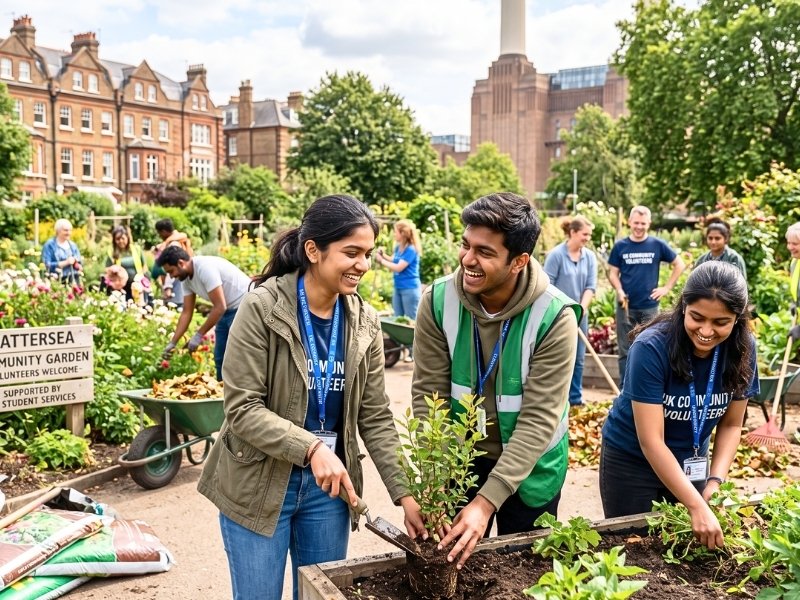
Rewarding Volunteering

Meaningful Networking

Student Clubs & Societies
-
HealthCare System
-
Banking Setup
-
Public Transportation
-
Cultural Diversity
-
Weather and Climate
-
Student Lifestyle
-
Emergency Services
Healthcare System
- OSHC is mandatory for student visa holders
- Covers doctor visits, hospital treatment and emergency care
- Students can visit general practitioners (GPs) for minor health issues
- Emergency
Banking Setup
- Open an account online before arrival or within 6 weeks of landing
- Required documents: passport, CoE, visa details
- Banks offer student-friendly accounts with low or zero fees
- Emergency
- Commonwealth Bank
- ANZ
- Westpac
- NAB
- Salary from part-time jobs
- Paying rent and bills
- Daily expenses
Public Transportation
- Trains
- Trams (especially Melbourne)
- Buses
- Ferries (Sydney and coastal cities)
- Opal Card (Sydney)
- Myki Card (Melbourne)
- Go Card (Brisbane)
Cultural Diversity
- Over 200 nationalities are living in Australia
- Large Indian student and community presence
- Multiple cultural festivals and events
- Wide availability of Indian food and restaurants
- Inclusive and welcoming environment
Weather and Climate
- Sydney: Warm summers, mild winters
- Melbourne: Unpredictable weather, cool winters
- Brisbane: Subtropical, warm most of the year
- Perth: Dry and sunny climate
- Adelaide: Mediterranean climate, moderate weather
Student Lifestyle
- Part-time jobs (retail, hospitality, internships)
- University clubs and societies
- Weekend travel and sightseeing
- Sports and fitness culture
- Library and group study sessions
Emergency Services
- Police
- Ambulance
- Fire Services
- 24/7 campus security
- Emergency helplines
- Student support services

Banking Setup
- Open an account online before arrival or within 6 weeks of landing
- Required documents: passport, CoE, visa details
- Banks offer student-friendly accounts with low or zero fees
- Commonwealth Bank
- ANZ
- Westpac
- NAB
- Salary from part-time jobs
- Paying rent and bills
- Daily expenses

Public Transportation
- Trains
- Trams (especially Melbourne)
- Buses
- Ferries (Sydney and coastal cities)
- Opal Card (Sydney)
- Myki Card (Melbourne)
- Go Card (Brisbane)
Cultural Diversity
- Over 200 nationalities are living in Australia
- Large Indian student and community presence
- Multiple cultural festivals and events
- Wide availability of Indian food and restaurants
- Inclusive and welcoming environment

Weather and Climate
- Sydney: Warm summers, mild winters
- Melbourne: Unpredictable weather, cool winters
- Brisbane: Subtropical, warm most of the year
- Perth: Dry and sunny climate
- Adelaide: Mediterranean climate, moderate weather
Student Lifestyle
- Part-time jobs (retail, hospitality, internships)
- University clubs and societies
- Weekend travel and sightseeing
- Sports and fitness culture
- Library and group study sessions

Emergency Services
- Police
- Ambulance
- Fire services
- 24/7 campus security
- Emergency helplines
- Student support services
Safety Tips for Students
Know Your Emergency Support Options
Stay Alert to Your Surroundings
Choose Safe & Reliable Transport
Know Your
Emergency
Support Options
Stay Alert
to Your
Surroundings
Choose
Safe & Reliable
Transport
Keep Your
Valuables
Secure
Keep Your Valuables Secure
Prioritise Your Personal Safety
Update Emergency Contacts
Prioritise Your
Personal
Safety
Always Update
Your Emergency
Contacts
Discover the UK’s Top Student Cities
London
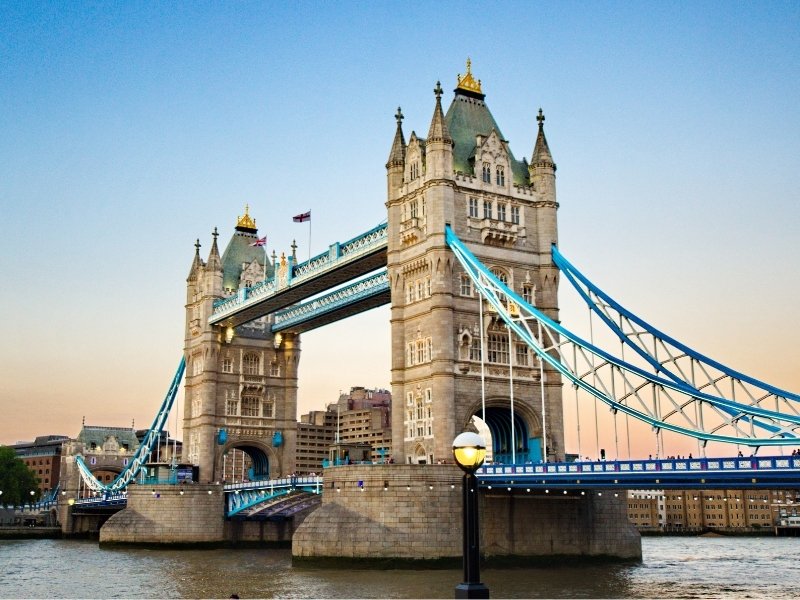
- The highest concentration of internships and graduate jobs in the UK
- Strong industry exposure in finance, technology, consulting and media
- Constant access to events, culture and one of the world's most diverse food scenes
London
- The highest concentration of internships and graduate jobs in the UK
- Strong industry exposure in finance, technology, consulting and media
- Constant access to events, culture and one of the world's most diverse food scenes
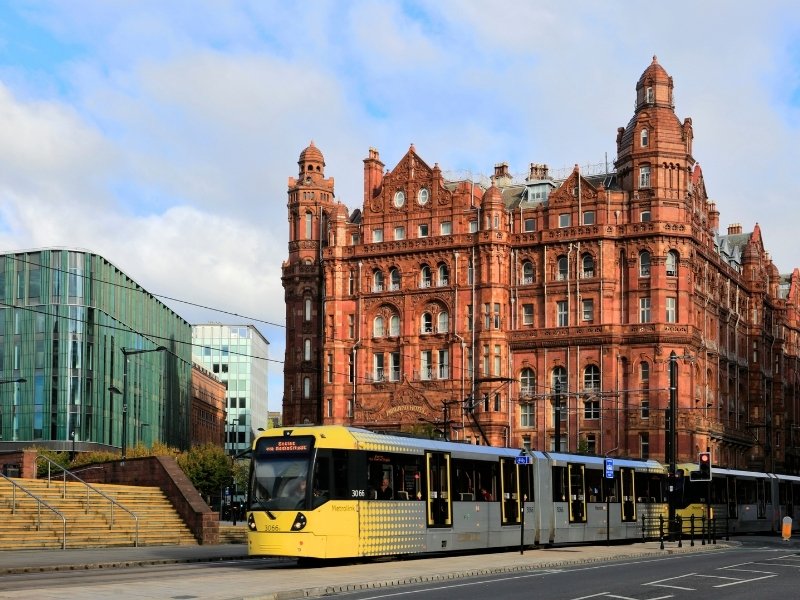
Manchester
- A large, well-established international and Indian student community
- Strong and growing job market in tech, media and finance
- Extensive tram and rail links across the city and wider region
- More affordable shared housing than most southern cities
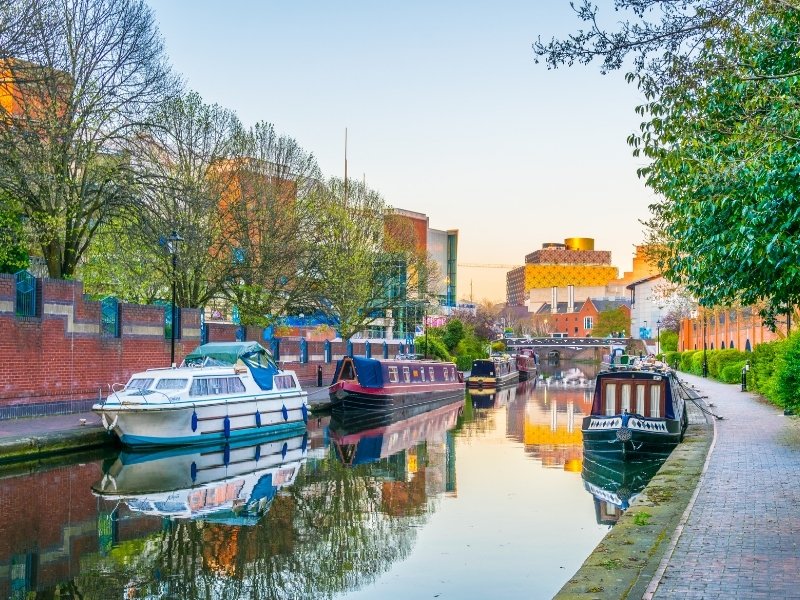
Birmingham
- Lower rent than most major English cities
- Central location with fast rail access to London and other cities
- Growing job market in business, logistics and healthcare
- Large and well-established South Asian community
Birmingham
- Lower rent than most major English cities
- Central location with fast rail access to London and other cities
- Growing job market in business, logistics and healthcare
- Large and well-established South Asian community

Edinburgh
- A globally respected academic reputation, especially for research
- Compact, walkable city centre with lower transport spending
- Strong festival and arts culture throughout the year
- Safe, well organised student neighbourhoods
Glasgow
- Among the lowest living costs of the major UK student cities
- Strong engineering, life sciences and technology industry links
- A lively, affordable music and cultural scene
- Friendly, well-connected student neighbourhoods

Glasgow
- Among the lowest living costs of the major UK student cities
- Strong engineering, life sciences and technology industry links
- A lively, affordable music and cultural scene
- Friendly, well-connected student neighbourhoods