life in usa
Student Life in USA: Complete Guide for International Students
Experiencing life in USA gives international students an opportunity to explore a new culture, meet people from different backgrounds, and develop academic and personal skills. A typical student life in USA experience may include classroom learning, campus activities, student clubs, sports, volunteering, and social events. Students researching life in USA for Indian students should prepare for differences in teaching styles, food habits, weather, transportation, and everyday expenses. Understanding life in USA for international students before departure can help students adjust to their new surroundings and make informed decisions about their education and budget. Many universities provide orientation programmes, international student advisers, libraries, recreation facilities, and student organisations to help newcomers settle in. Choosing suitable student accommodation in USA is another important part of planning, with options such as university residence halls, shared apartments, private rentals, and homestays. Students should compare rent, utilities, transport, meal arrangements, safety, and distance from campus before choosing a place to live. At iVish Study Abroad, students can explore overseas education guidance and prepare for their study journey. Visit our Study in USA guide to learn more about studying in America, and explore our Cost of Living in USA page to help plan your budget. For trusted advice, read EducationUSA’s guide to the experience of studying in the USA and its practical information about living on campus. Exploring life in USA in advance can help students understand the lifestyle and responsibilities involved, while preparing for student life in USA can make the transition smoother. Indian applicants should research life in USA for Indian students and compare the support available for life in USA for international students at their chosen institution. Finally, comparing student accommodation in USA options early can help students find housing that suits their budget, preferences, and university location.
- life in usa
- student life in usa
- life in usa for indian students
- life in usa for international students
- student accommodation in usa
A Guide to Student Life in the USA For Indian Students
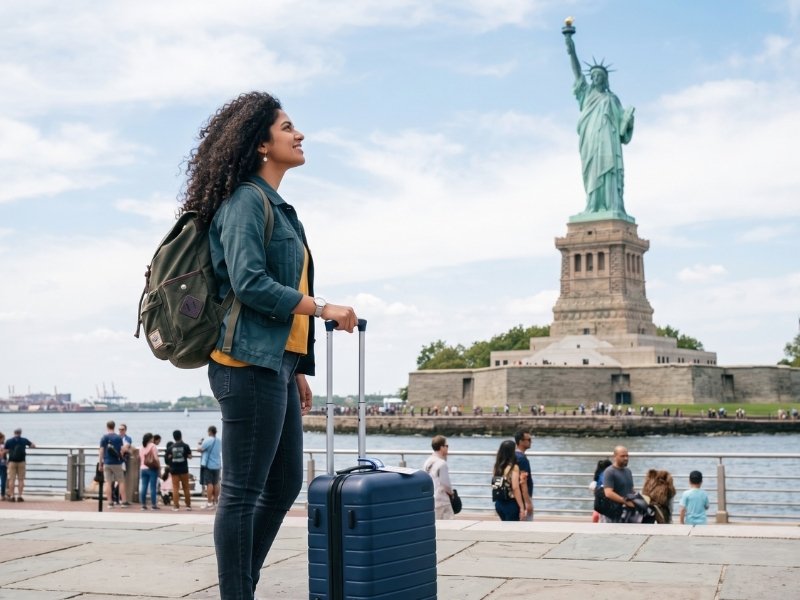
Student Life in USA
Is The USA Safe For International Students?
- life in usa
- student life in usa
- life in usa for indian students
- life in usa for international students
- student accommodation in usa
- University campuses typically have dedicated campus police or security services
- Most campuses offer 24/7 emergency helplines and safety escort services at night
- Public transport in major transit cities is generally safe during daytime and early evening hours
- International student offices provide dedicated support for safety and wellbeing concerns
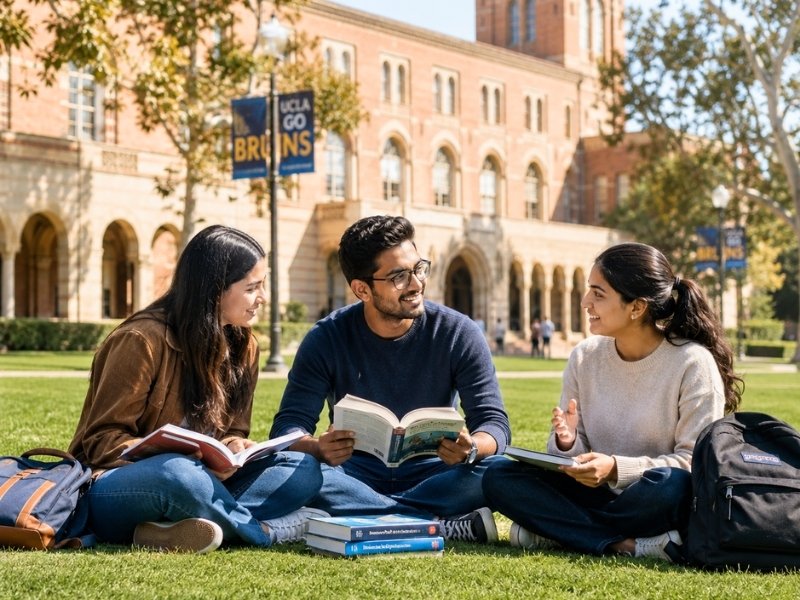
Is The USA Safe For International Students?
- University campuses typically have dedicated campus police or security services
- Most campuses offer 24/7 emergency helplines and safety escort services at night
- Public transport in major transit cities is generally safe during daytime and early evening hours
- International student offices provide dedicated support for safety and wellbeing concerns
Types Of Accomodation In USA
On-Campus Accommodation
- Residence halls or dormitories on campus
- Usually furnished with meal plans
- Convenient, especially for first-year students
Off-Campus Accommodation
- Shared apartments or private rentals
- More independence and lower shared costs
- Arrange utilities and internet separately
Homestays
- Living with an American host family
- Often includes meals and utilities
- Useful for cultural adjustment
Life Beyond Learning

Healthcare System
- OSHC is mandatory for student visa holders
- Covers doctor visits, hospital treatment and emergency care
- Students can visit general practitioners (GPs) for minor health issues
- Emergency
Weather and Climate
- Sydney: Warm summers, mild winters
- Melbourne: Unpredictable weather, cool winters
- Brisbane: Subtropical, warm most of the year
- Perth: Dry and sunny climate
- Adelaide: Mediterranean climate, moderate weather
Public Transportation
- Trains
- Trams (especially Melbourne)
- Buses
- Ferries (Sydney and coastal cities)
- Opal Card (Sydney)
- Myki Card (Melbourne)
- Go Card (Brisbane)
Cultural Diversity
- Over 200 nationalities are living in Australia
- Large Indian student and community presence
- Multiple cultural festivals and events
- Wide availability of Indian food and restaurants
- Inclusive and welcoming environment
Banking Setup
- Open an account online before arrival or within 6 weeks of landing
- Required documents: passport, CoE, visa details
- Banks offer student-friendly accounts with low or zero fees
- Emergency
- Commonwealth Bank
- ANZ
- Westpac
- NAB
Student Lifestyle
- Part-time jobs (retail, hospitality, internships)
- University clubs and societies
- Weekend travel and sightseeing
- Sports and fitness culture
- Library and group study sessions
Emergency Services
- Police
- Ambulance
- Fire Services
- 24/7 campus security
- Emergency helplines
- Student support services
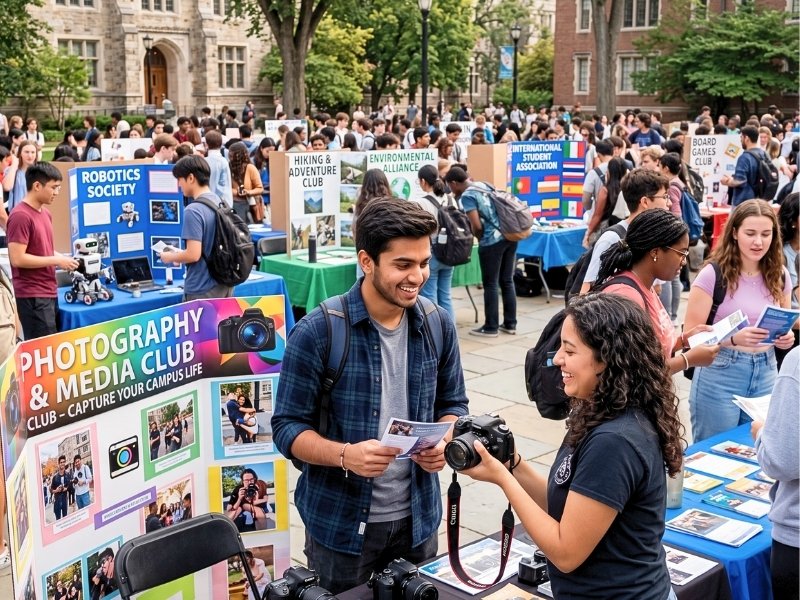
Student Clubs & Activities

Affordable Dining Options
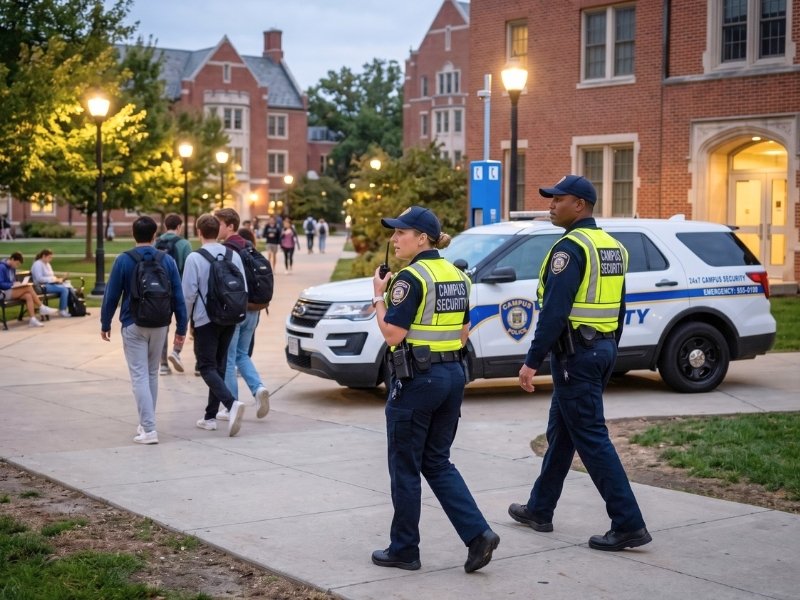
24×7 Campus Security
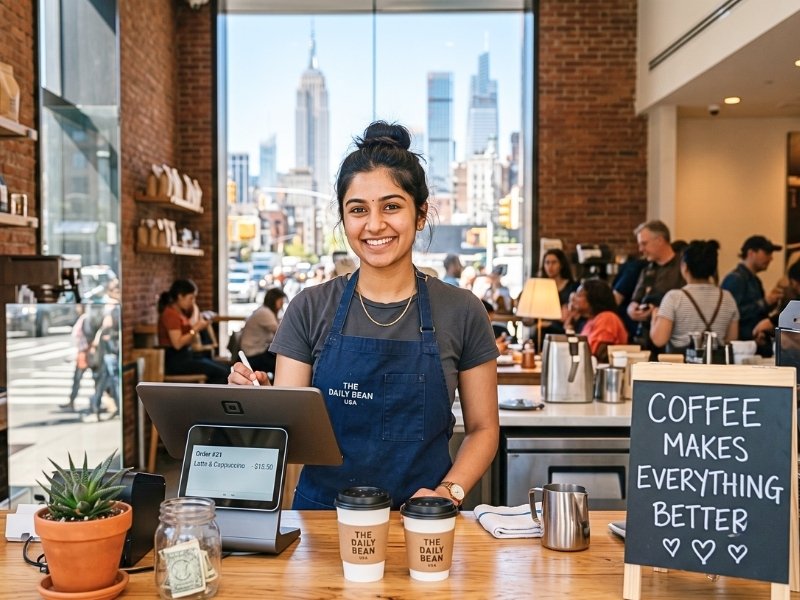
Work Up to 20 Hours/Week
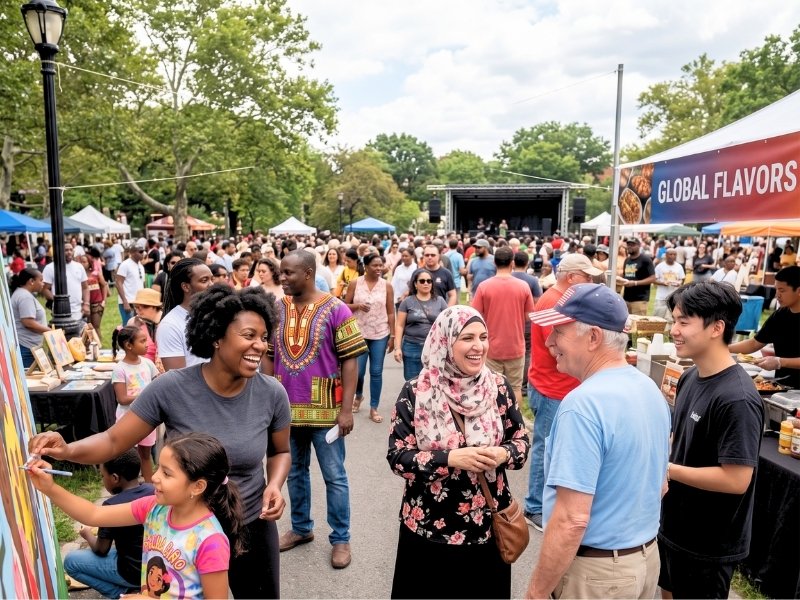
Multicultural Community
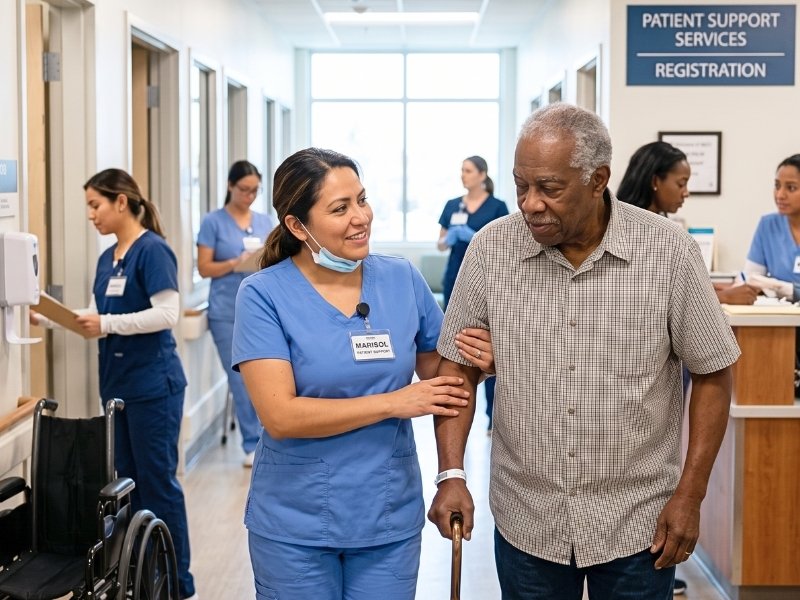
Healthcare Support

Professional Networking
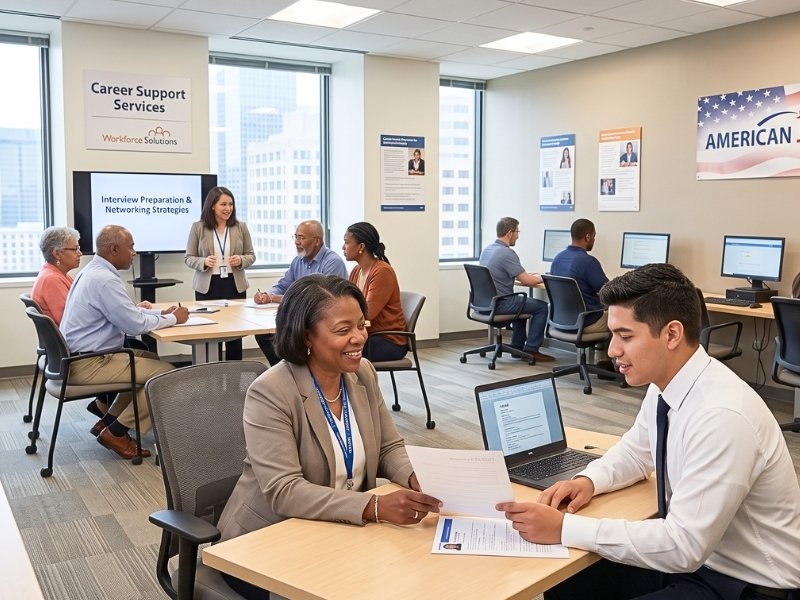
Career Support Services
-
HealthCare System
-
Banking Setup
-
Public Transportation
-
Cultural Diversity
-
Weather and Climate
-
Student Lifestyle
-
Emergency Services
Healthcare System
- OSHC is mandatory for student visa holders
- Covers doctor visits, hospital treatment and emergency care
- Students can visit general practitioners (GPs) for minor health issues
- Emergency
Banking Setup
- Open an account online before arrival or within 6 weeks of landing
- Required documents: passport, CoE, visa details
- Banks offer student-friendly accounts with low or zero fees
- Emergency
- Commonwealth Bank
- ANZ
- Westpac
- NAB
- Salary from part-time jobs
- Paying rent and bills
- Daily expenses
Public Transportation
- Trains
- Trams (especially Melbourne)
- Buses
- Ferries (Sydney and coastal cities)
- Opal Card (Sydney)
- Myki Card (Melbourne)
- Go Card (Brisbane)
Cultural Diversity
- Over 200 nationalities are living in Australia
- Large Indian student and community presence
- Multiple cultural festivals and events
- Wide availability of Indian food and restaurants
- Inclusive and welcoming environment
Weather and Climate
- Sydney: Warm summers, mild winters
- Melbourne: Unpredictable weather, cool winters
- Brisbane: Subtropical, warm most of the year
- Perth: Dry and sunny climate
- Adelaide: Mediterranean climate, moderate weather
Student Lifestyle
- Part-time jobs (retail, hospitality, internships)
- University clubs and societies
- Weekend travel and sightseeing
- Sports and fitness culture
- Library and group study sessions
Emergency Services
- Police
- Ambulance
- Fire Services
- 24/7 campus security
- Emergency helplines
- Student support services

Banking Setup
- Open an account online before arrival or within 6 weeks of landing
- Required documents: passport, CoE, visa details
- Banks offer student-friendly accounts with low or zero fees
- Commonwealth Bank
- ANZ
- Westpac
- NAB
- Salary from part-time jobs
- Paying rent and bills
- Daily expenses
Public Transportation
- Trains
- Trams (especially Melbourne)
- Buses
- Ferries (Sydney and coastal cities)
- Opal Card (Sydney)
- Myki Card (Melbourne)
- Go Card (Brisbane)
Cultural Diversity
- Over 200 nationalities are living in Australia
- Large Indian student and community presence
- Multiple cultural festivals and events
- Wide availability of Indian food and restaurants
- Inclusive and welcoming environment

Weather and Climate
- Sydney: Warm summers, mild winters
- Melbourne: Unpredictable weather, cool winters
- Brisbane: Subtropical, warm most of the year
- Perth: Dry and sunny climate
- Adelaide: Mediterranean climate, moderate weather
Student Lifestyle
- Part-time jobs (retail, hospitality, internships)
- University clubs and societies
- Weekend travel and sightseeing
- Sports and fitness culture
- Library and group study sessions
Emergency Services
- Police
- Ambulance
- Fire services
- 24/7 campus security
- Emergency helplines
- Student support services
Tips To Stay Safe
Always keep emergency numbers saved
Avoid isolated areas late at night
Use trusted accommodation platforms
Always keep
emergency
numbers saved
Avoid isolated
areas late
at night
Use trusted
accommodation
platforms
Keep your
all documents
secure
Keep your all documents secure
Follow local laws and visa conditions
Use official transport services
Follow local laws
and visa
conditions
Use official
transport
services
Living In Major Cities In USA
New York City
- life in usa
- student life in usa
- life in usa for indian students
- life in usa for international students
- student accommodation in usa
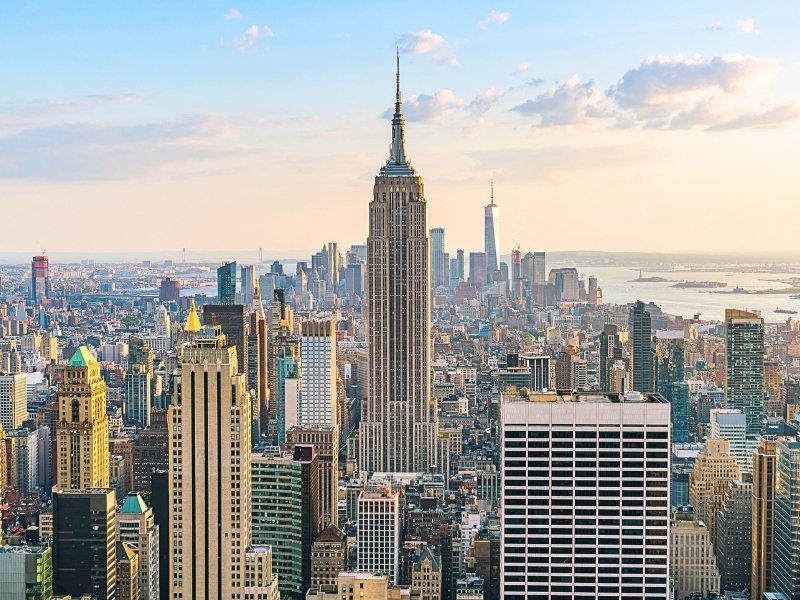
- Unmatched access to internships in finance, media, tech and the arts
- An extensive 24-hour subway and bus network
- A hugely diverse international and Indian student community
New York City
- Unmatched access to internships in finance, media, tech and the arts
- An extensive 24-hour subway and bus network
- A hugely diverse international and Indian student community
Boston
- life in usa
- student life in usa
- life in usa for indian students
- life in usa for international students
- student accommodation in usa
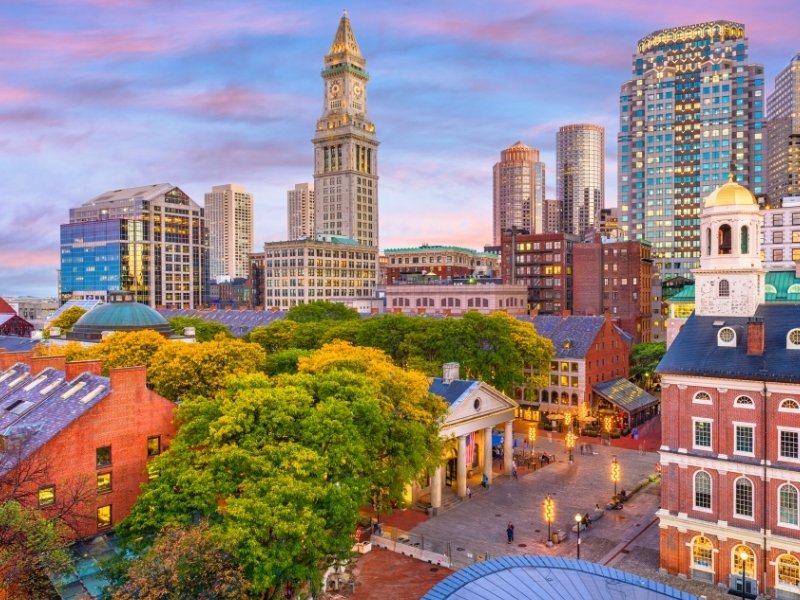
- Dense academic and research ecosystem
- Reliable MBTA public transit across the city
- Active international and Indian student communities
- Strong access to internships in biotech, healthcare and finance
California
- Direct access to major employers in entertainment, technology, biotech and finance
- A dense concentration of top-ranked public and private universities
- Large, established international and Indian student communities across the state
- Mild, temperate climate in most parts of the state year-round

California
- Direct access to major employers in entertainment, technology, biotech and finance
- A dense concentration of top-ranked public and private universities
- Large, established international and Indian student communities across the state
- Mild, temperate climate in most parts of the state year-round
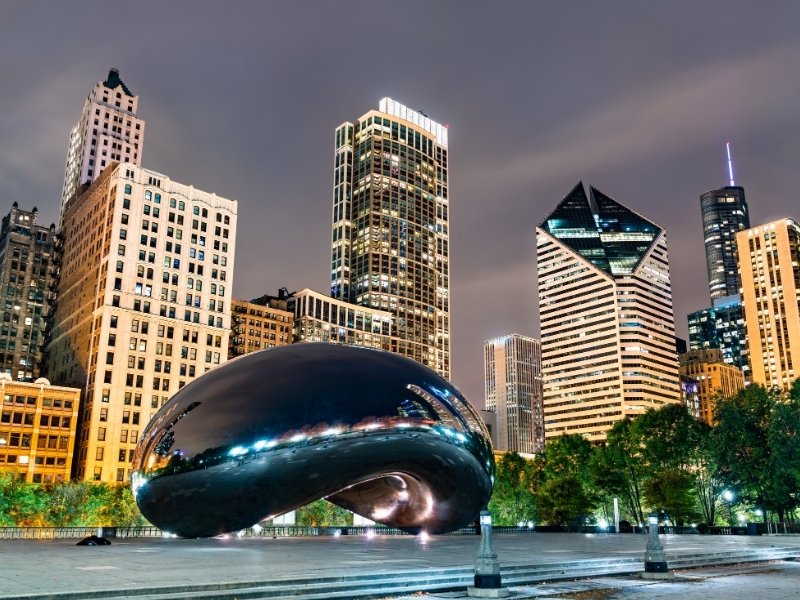
Chicago
- life in usa
- student life in usa
- life in usa for indian students
- life in usa for international students
- student accommodation in usa
- Lower rent compared to the coasts
- A well-connected train and bus network through the CTA
- Strong job pipelines in finance and consulting
- A large student population across multiple top universities
Texas
- life in usa
- student life in usa
- life in usa for indian students
- life in usa for international students
- student accommodation in usa
- Considerably lower rent and living costs than most coastal cities
- No state income tax, which helps students working part-time or on OPT
- Strong job markets in technology, energy, engineering and healthcare
- Growing international and Indian student communities in Austin, Houston and Dallas
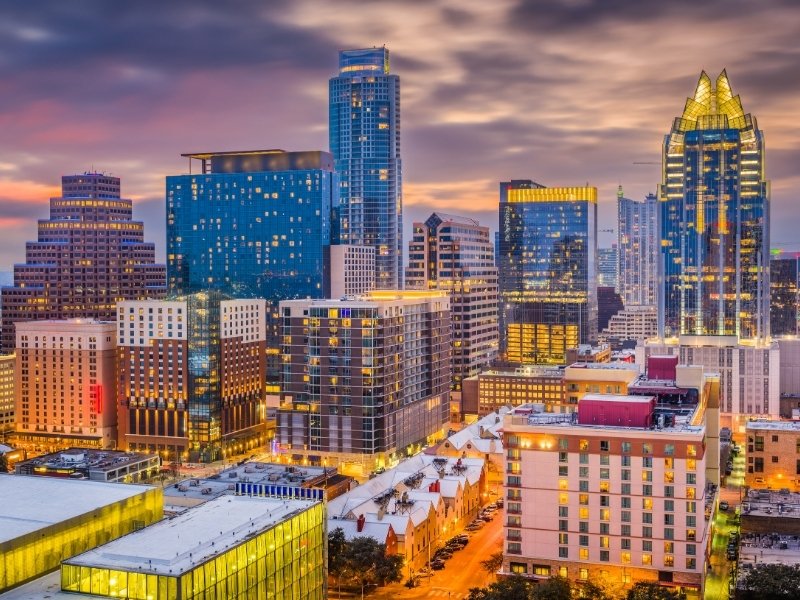
Texas
- Considerably lower rent and living costs than most coastal cities
- No state income tax, which helps students working part-time or on OPT
- Strong job markets in technology, energy, engineering and healthcare
- Growing international and Indian student communities in Austin, Houston and Dallas