
Part-Time Jobs In UK For International Students

Part-Time Work Opportunities For Students
In September 2024, the UK had approximately 8.26 million part-time workers, highlighting the availability of flexible employment across the country. For international students, permitted part-time work can provide valuable work experience and help cover some day-to-day living expenses, alongside their studies.
The good news is that the UK allows most degree-level international students to work alongside their studies, provided they stay within the rules attached to their Student visa.
Unlike some study destinations where student employment sits in a grey area, the UK system is clearly defined. Your visa conditions state exactly how many hours you can work and your right to work is checked electronically by every employer before you start a job. This structure protects students from exploitation and gives you the confidence to plan your finances properly.
From April 2026, the National Living Wage for workers aged 21 and over is £12.71 per hour, providing a strong statutory minimum for eligible workers. Younger students and those in lower-paying sectors earn slightly less, but even at the minimum rate, a part-time job can meaningfully reduce rent, groceries and travel costs while you study.
Work Rights For International Students In UK

Allowed Working Hours
Your right to work in the UK depends entirely on your course level and is printed directly on your eVisa or Biometric Residence Permit.
As of 2026, international students on a Student visa can work:
- Up to 20 hours per week during term time if enrolled in a degree-level course at a licensed higher education provider
- Up to 10 hours per week during term time if enrolled in a course below degree level
- Full-time during official university vacations, once term has formally ended
The UK Home Office strictly enforces the 20-hour limit, Monday to Sunday, every week. You cannot work 25 hours one week and 15 hours the next to balance it out. If you hold more than one job, all your hours are added together and the combined total must still stay within your limit.
For example:
- Week 1: 18 hours across a retail job
- Week 2: 20 hours split between retail and an on-campus role
Minimum Wage And Workplace Rights
International students in the UK are legally entitled to the same statutory wage protections as British citizens. Employers cannot pay you below the National Minimum Wage or National Living Wage for your age band, regardless of what your contract says.
UK Minimum Wage Rates From April 2026
- Workers aged 21 and over - The National Living Wage is £12.71 per hour for eligible workers.
- Workers aged 18 to 20 - The minimum hourly rate is £10.85.
These rates are reviewed every April by the Low Pay Commission and apply to almost every type of worker, including part-time, casual and zero-hours staff.
Students are entitled to:
- Minimum wage payment for every hour worked
- A written contract or statement of employment
- Paid holiday on a pro-rata basis
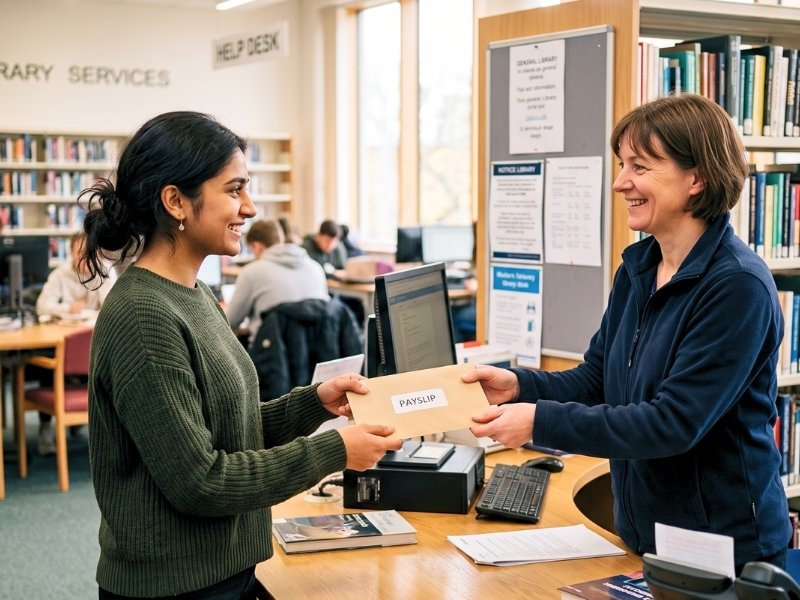
- Payslips showing hours, pay and deductions
- Protection from workplace discrimination and unsafe conditions
Minimum Wage And Workplace Rights
International students in the UK are legally entitled to the same statutory wage protections as British citizens. Employers cannot pay you below the National Minimum Wage or National Living Wage for your age band, regardless of what your contract says.
UK Minimum Wage Rates From April 2026
- Workers aged 21 and over - The National Living Wage is £12.71 per hour for eligible workers.
- Workers aged 18 to 20 - The minimum hourly rate is £10.85.
These rates are reviewed every April by the Low Pay Commission and apply to almost every type of worker, including part-time, casual and zero-hours staff.
Students are entitled to:
- Minimum wage payment for every hour worked
- A written contract or statement of employment
- Paid holiday on a pro-rata basis
- Payslips showing hours, pay and deductions
- Protection from workplace discrimination and unsafe conditions
National Insurance Number (NINo)
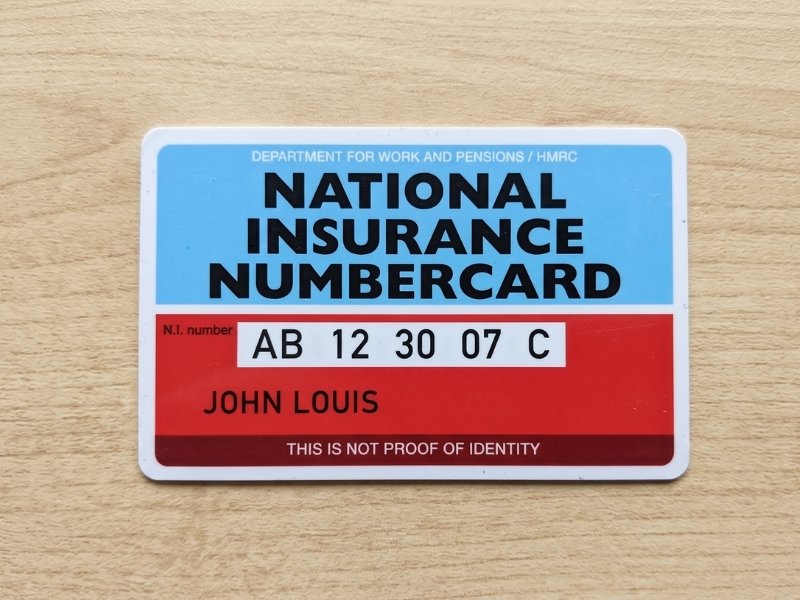
A National Insurance Number is the UK equivalent of a tax reference number and every student needs one to be paid correctly.
Why international students need a National Insurance Number:
- It allows your employer to deduct the correct rate of tax and National Insurance from your wages
- Without one, you may be taxed at a higher emergency rate until it arrives
- It is required to build a UK employment record for future visa applications
- It is free to apply for and is never something you should pay a third party to obtain
You do not need a National Insurance Number to start working, but you should apply as soon as you accept a job offer, since processing can take several weeks. Applications are made online through GOV.UK, and most students are asked to verify their identity digitally before receiving their number by post.
Types Of Work That Are Not Permitted
This is an important difference between the UK and several other study destinations and it is something many international students may not anticipate.
A Student visa does not permit you to:
- Be self-employed or run your own business, including work booked through apps or invoiced directly to clients
- Work as a professional sportsperson or entertainer
- Take up a permanent full-time role, except during official vacation periods
- Work as a doctor or dentist in training, unless enrolled in an approved foundation programme
The self-employment restriction is significant because it rules out common side hustles that Indian students may expect to find in the UK. Advertising yourself as a private tutor and taking direct bank transfers from parents, or signing up as a self-employed food delivery courier, both count as self-employment under Home Office rules and can put your visa at risk. Any tutoring, delivery or freelance-style work is only compliant if it comes through a genuine employer that pays you via PAYE, deducts tax at source and issues payslips.

Types Of Work That Are Not Permitted
This is an important difference between the UK and several other study destinations and it is something many international students may not anticipate.
A Student visa does not permit you to:
- Be self-employed or run your own business, including work booked through apps or invoiced directly to clients
- Work as a professional sportsperson or entertainer
- Take up a permanent full-time role, except during official vacation periods
- Work as a doctor or dentist in training, unless enrolled in an approved foundation programme
The self-employment restriction is significant because it rules out common side hustles that Indian students may expect to find in the UK. Advertising yourself as a private tutor and taking direct bank transfers from parents, or signing up as a self-employed food delivery courier, both count as self-employment under Home Office rules and can put your visa at risk. Any tutoring, delivery or freelance-style work is only compliant if it comes through a genuine employer that pays you via PAYE, deducts tax at source and issues payslips.

Why Following Visa Conditions Is Important
UK Visas and Immigration cross-checks student work records against university enrolment data and employers are legally required to verify your right to work before you start any job.
Working beyond your permitted hours or taking unauthorised work can lead to:
- Termination of your student visa
- Refusal of future UK visa applications
- Difficulty meeting the good character requirement for indefinite leave to remain later on
- Possible restrictions on switching to a Skilled Worker Visa
To stay compliant, check the working hours condition stated on your eVisa, confirm your university’s official term dates rather than relying on your own class timetable and keep a simple weekly log of hours if you hold more than one job.
Key Takeaway
The UK offers a clearly regulated, legally protected part-time work system for international students, built around a strict 20-hour weekly cap during term time and full-time flexibility during vacations. Wages are competitive and workplace rights are strong, but the ban on self-employment means students need to be more careful about how a job is structured, not just how many hours it involves.
Popular Part-Time Jobs In UK

Retail Jobs
Retail is one of the easiest sectors for international students to break into, especially in the run-up to exam breaks and the festive shopping season.
Popular roles:
- Sales assistant
- Till operator or cashier
- Stock replenishment staff
- Store greeter
Skills gained:
- Customer communication
- Handling point-of-sale systems
- Working within a rota-based team
Average pay
£11 to £14
per hour
Supermarkets and high street chains such as Tesco, Sainsbury’s and Primark regularly hire students for evening and weekend shifts.

Hospitality Jobs
Cafes, restaurants and pubs are consistently among the largest employers of student part-time staff across UK university towns.
Popular Job Roles:
- Waiter or waitress
- Barista
- Kitchen porter
- Front of house assistant
Skills gained:
- Fast-paced multitasking
- Face-to-face customer service
- Teamwork under pressure
Average pay
£11 to £15
per hour
Hospitality shifts tend to be flexible around lecture timetables but can involve evening and weekend work.

On-Campus Jobs
Most UK universities run their own student employment schemes, which are among the safest and most convenient options because employers already understand visa conditions.
Popular Job Roles:
- Library assistant
- Student ambassador or campus tour guide
- Students' union bar or events staff
- Open day helper
- IT help desk assistant
Skills gained:
- Time management around your own timetable
- Familiarity with university systems
- Professional communication with staff and prospective students
Average pay
£10.85 to £15
per hour
Because these roles are advertised and paid directly by the university, they are automatically structured as employed, not self-employed, work.

Tutoring Jobs
Tutoring is the highest-paying part-time option available to academically strong students, but it comes with an important compliance rule.
Subjects in demand:
- Mathematics and statistics
- Science
- English and essay writing
- Computer science and programming
Skills gained:
- Teaching and mentoring ability
- Subject mastery
- One-to-one communication
Average pay
£15 to £30
per hour
Private, self-arranged tutoring paid directly by a family is treated as self-employment and is not permitted.

Customer Service Jobs
Call centres, university help desks and service-based companies regularly hire students for customer-facing and back-office roles.
Popular roles:
- Customer support assistant
- Reception or front desk staff
- Help desk operator
Skills gained:
- Professional written and verbal communication
- Problem-solving under time pressure
- Handling real customer queries and complaints
Average pay
£11 to £16
per hour
These roles are especially useful for students aiming at corporate, business or client-facing careers after graduation.
How To Find Part-Time Jobs In UK
Job Portals
Indeed, Reed, Totaljobs and StudentJob.co.uk are among the most widely used platforms to find UK part-time jobs for international students. Most portals allow you to filter by hours per week, location and sector, which makes it easier to shortlist jobs that fit within your 20-hour limit.
University Career Services
Nearly every UK university runs a dedicated careers and employability service, often listing verified on-campus and local employer vacancies exclusively for enrolled students. These services also offer CV reviews, mock interviews and workshops on writing a UK-style cover letter, which differs noticeably from Indian resume formats.
Networking
Many part-time roles in the UK, particularly in hospitality and retail, are filled through word of mouth before they are ever advertised online. Speaking with coursemates, seniors from your city or state back home and society members at your university can surface openings faster than job boards alone.
Benefits Of Working While Studying In UK
Financial Independence
Part-time income will not cover your full cost of living in UK, but it does meaningfully ease monthly pressure. Most students use their earnings to cover groceries, travel cards, mobile bills and everyday expenses, reducing how much needs to be transferred from home each month.
Students Benefit by:
- Reducing financial dependence on family
- Learning to budget a fixed weekly income
- Building basic financial planning habits
- Covering discretionary spending without added stress
Gaining Work Experience
UK employers value local work history, even in roles unrelated to your degree. A part-time job demonstrates that you understand British workplace norms, from punctuality to professional email etiquette, which matters when you later apply for graduate schemes.
Students gain practical skills such as:
- Workplace etiquette
- Team collaboration
- Problem-solving in real situations
- Professional communication
Networking Opportunities
Every shift puts you in front of managers, colleagues and customers from different backgrounds. These contacts can become useful later, whether through a reference letter or an introduction to a hiring manager once you start applying for graduate roles.
Students often gain from:
- Direct exposure to UK workplace culture
- Reference letters from verified UK employers
- Introductions to opportunities not advertised publicly
- Early connections that support Graduate Route job hunting
Building Confidence
Settling into a new country is demanding and a part-time job accelerates that adjustment. Daily interactions with customers, colleagues and supervisors improve spoken English fluency and build self-assurance faster than classroom learning alone.
Students often become more confident in:
- Speaking English in professional settings
- Handling responsibilities independently
- Working in diverse teams
- Adapting to unfamiliar situations
Developing Time Management Skills
Balancing lectures, assignments, exams and a part-time job requires discipline. Students who manage this successfully tend to graduate with organisational habits that carry directly into full-time careers.
Working while studying teaches students how to:
- Prioritise academic deadlines around shift patterns
- Plan weekly schedules in advance
- Maintain a healthy study-work balance
- Stay organised during exam periods
Better Career Prospects
Employers reviewing graduate applications, including those hiring through the Graduate Route, tend to favour candidates who already show UK workplace exposure on their CV.
Early work experience helps students:
- Build a UK-based CV before graduating
- Demonstrate workplace readiness to future employers
- Strengthen applications for graduate schemes
- Stand out in a competitive UK job market
Conclusion
Part-time work for international students in UK is one of the most practical advantages of studying here. It helps cover everyday costs, but more importantly, it builds a UK employment record, workplace confidence and a professional network before you even graduate.
Students who understand the 20-hour rule, apply for their National Insurance Number early and avoid self-employed or informal arrangements tend to have the easiest experience. Getting these fundamentals right from week one makes the difference between a part-time job that supports your studies and one that puts your visa at risk.
FAQs
Can international students in UK work part-time?
Yes. For students on a Student visa at degree level, part time jobs in UK for Indian students are generally permitted for up to 20 hours per week during term time and full-time during official university vacations, provided the work complies with Student visa conditions and is not self-employment or freelance work.
How many hours can international students work in the UK?
Degree-level students can work up to 20 hours per week during term time, while those on courses below degree level are limited to 10 hours per week. This is one of the most searched questions among part time jobs in UK for Indian students because the limit is measured strictly week by week and cannot be averaged out.
How much can an international student earn in the UK part-time?
Earnings depend on the role, age, skills and location. According to the referenced guide, students can find roles ranging from around £13–£15 per hour for positions such as data entry, graphic design and research assistance, while specialised roles such as web development and private tutoring can pay considerably more. For part time jobs in UK for Indian students, actual earnings will also depend on the number of hours permitted under the Student visa.
What platforms are best for finding part-time jobs in the UK?
Popular platforms include Indeed, Reed, Totaljobs, Monster and Glassdoor. Students can also check their university’s careers service and internal job boards, as these may list campus-based or student-friendly opportunities. These platforms can be useful when searching for part time jobs in UK for Indian students based on location, working hours and experience.
What are some good-paying part-time jobs in the UK?
Some higher-paying options include private tutoring, web development, freelance writing, IT support, social media management and research assistance. Private tutoring is around £25–£50 per hour, with web development and freelance writing around £19 per hour. For part time jobs in UK for Indian students, choosing a role that matches your existing skills can improve both earning potential and work experience.
Are there opportunities for a part-time job online in the UK?
Yes. Students may find remote opportunities in areas such as online tutoring, graphic design, social media management, IT support and writing. Job platforms such as Indeed and Reed can be used to search for remote positions, while online tutoring can offer additional flexibility around academic schedules. However, international students should make sure that any online work complies with their Student visa conditions. This makes checking the rules essential when considering part time jobs in UK for Indian students.
