
Student Life in Australia &
Safety Guide

Student life in Australia offers a balanced mix of high-quality education, multicultural exposure, part-time work opportunities and a safe living environment. Every year, thousands of international students choose Australia not only for its universities but also for its lifestyle, global exposure and post-study opportunities.
According to global safety and livability indexes, Australia consistently ranks among the top countries for quality of life, safety and student satisfaction. Cities like Sydney, Melbourne, Brisbane, Perth and Adelaide are designed to support international students with strong infrastructure, public transport, healthcare and student-friendly communities.
Understanding life in Australia helps students prepare better for accommodation, budgeting, cultural adjustment and safety awareness before arrival.
Is Australia Safe for
International Students?
Yes, Australia is considered one of the safest countries for international students.
Key safety highlights:
- Low violent crime rates compared to many global destinations
- Strong law enforcement and emergency response systems
- Strict student protection laws under Australian government regulations
- University campuses have dedicated security services
- Safe public transport systems in major cities
However, like any country, students are advised to stay aware of their surroundings, especially during late hours and in unfamiliar areas.

Student Accommodation
Average rent ranges from
AUD 150 – 350 per week, depending on city and type of accommodation
On-Campus Accommodation
- Located within university campuses
- Fully furnished rooms
- Meal plans in some universities
- Higher cost but more convenience
Off-Campus Accommodation
- Shared apartments or private rentals
- More independence and flexibility
- Lower cost when shared with other students
Homestays
- Living with Australian families
- Includes meals and utilities
- Helpful for cultural adjustment
Healthcare System
Australia has a strong public healthcare system, but international students are covered under OSHC (Overseas Student Health Cover).
Key points:
- OSHC is mandatory for student visa holders
- Covers doctor visits, hospital treatment and emergency care
- Students can visit general practitioners (GPs) for minor health issues
- Emergency
Healthcare quality is high, but OSHC ensures students avoid high medical expenses.
Banking Setup
Opening a bank account in Australia is simple and essential for students.
Process:
- Open an account online before arrival or within 6 weeks of landing
- Required documents: passport, CoE, visa details
- Banks offer student-friendly accounts with low or zero fees
Popular banks:
- Commonwealth Bank
- ANZ
- Westpac
- NAB
Students use bank accounts for:
- Salary from part-time jobs
- Paying rent and bills
- Daily expenses
Public Transportation
Australia has a well-developed and reliable transport system.
Modes include:
- Trains
- Trams (especially Melbourne)
- Buses
- Ferries (Sydney and coastal cities)
Students receive discounted travel cards, such as:
- Opal Card (Sydney)
- Myki Card (Melbourne)
- Go Card (Brisbane)
Cultural Diversity
Australia is one of the most multicultural countries in the world.
Key highlights:
- Over 200 nationalities are living in Australia
- Large Indian student and community presence
- Multiple cultural festivals and events
- Wide availability of Indian food and restaurants
- Inclusive and welcoming environment
This diversity helps international students adjust quickly and feel at home.

Weather and Climate
Australia has different climates depending on the region:
- Sydney: Warm summers, mild winters
- Melbourne: Unpredictable weather, cool winters
- Brisbane: Subtropical, warm most of the year
- Perth: Dry and sunny climate
- Adelaide: Mediterranean climate, moderate weather
Students should prepare clothing based on seasonal changes, especially winter in southern cities.
Student Lifestyle
Student life in Australia is a balance of study, work and social activities.
Common aspects:
- Part-time jobs (retail, hospitality, internships)
- University clubs and societies
- Weekend travel and sightseeing
- Sports and fitness culture
- Library and group study sessions
Students often work up to the allowed part-time hours to support living expenses.
Emergency Services
Australia has fast and efficient emergency response services.
Emergency number: 000
Services include:
- Police
- Ambulance
- Fire services
Universities also have:
- 24/7 campus security
- Emergency helplines
- Student support services
Living in Major Cities of Australia (Detailed Guide)
Sydney
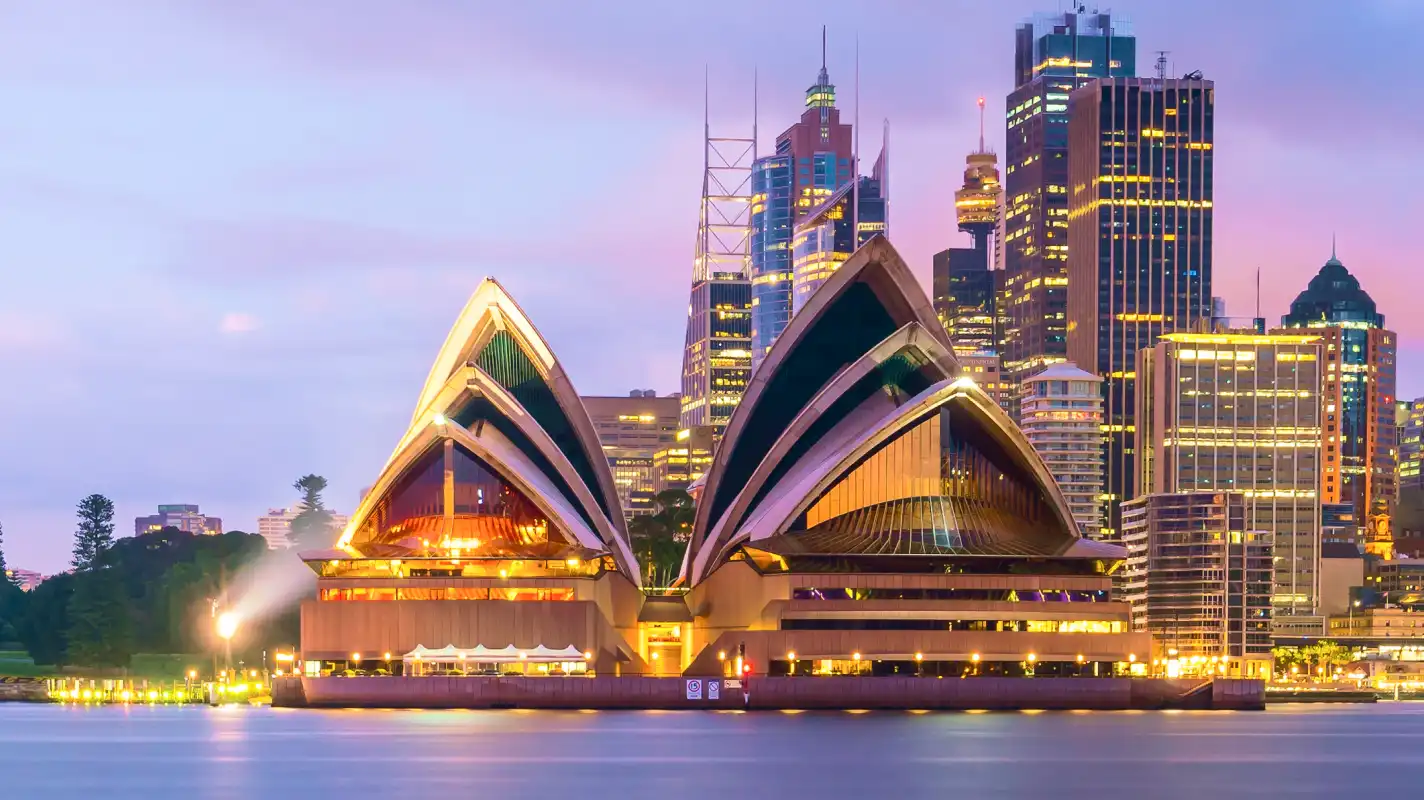
Sydney is Australia’s largest and most globally recognised city. It is the financial and commercial hub of the country, offering strong career opportunities, world-class universities and a fast-paced lifestyle.
For students, Sydney offers access to top institutions like the University of Sydney and UNSW. The city has excellent public transport, part-time job opportunities and a strong international student community.
However, Sydney is also the most expensive city in Australia, especially in terms of rent and daily living costs. Shared accommodation is common among students to manage expenses.
Students living in Sydney benefit from:
- High availability of internships and part-time jobs
- Strong industry exposure in finance, IT and business sectors
- Vibrant city life with beaches, events and cultural diversity
Average monthly living cost: AUD 1,800 – 2,800
Melbourne
Melbourne is widely considered Australia’s “student city” due to its large international student population and strong education ecosystem. It consistently ranks among the world’s most livable cities.
The city is known for its arts, culture, coffee culture and academic environment. Universities like the University of Melbourne and Monash University attract students from across the world.
Living in Melbourne offers a balanced lifestyle with good job opportunities and slightly lower costs compared to Sydney. The city has an extensive tram network, making transport easy for students.
Students benefit from:
- Strong multicultural environment
- High number of student-friendly jobs
- Active campus life and social activities
- Affordable shared housing options
Average monthly living cost: AUD 1,500 – 2,400
Brisbane
Brisbane is a fast-growing student destination with a warm climate and a more relaxed lifestyle compared to Sydney and Melbourne. It is home to universities like the University of Queensland.
The city is becoming increasingly popular due to its affordable living costs and strong job growth in the hospitality, healthcare and construction sectors.
Brisbane offers a more suburban feel with modern infrastructure and less congestion, making it ideal for students who prefer a calmer environment.
Students benefit from:
- Lower rent compared to major cities
- Warm weather throughout the year
- A growing job market for students
- Friendly and less crowded environment
Average monthly living cost: AUD 1,300 – 2,200
Perth
Perth is located on the west coast of Australia and is known for its natural beauty, mining industry and relaxed lifestyle. It is less crowded compared to Sydney or Melbourne, making it ideal for students who prefer peace and space.
The city has a strong demand for engineering, mining, healthcare and technical professionals, making it attractive for STEM students.
Living costs in Perth are relatively moderate and accommodation is easier to find compared to eastern cities.
Students benefit from:
- Lower competition in part-time jobs
- Strong demand in the mining and engineering sectors
- Affordable housing options
- Clean, less congested city environment
Average monthly living cost: AUD 1,300 – 2,100
Adelaide
Adelaide is one of the most affordable major cities in Australia and is increasingly chosen by international students who want lower living costs without compromising education quality.
It is home to universities like the University of Adelaide and offers a calm, student-friendly environment. The city is smaller compared to Sydney or Melbourne, but it is highly organised and safe.
Adelaide also provides additional post-study work benefits in some cases due to its regional classification, making it attractive for long-term career planning.
Students benefit from:
- Lowest living cost among major cities
- Less traffic and a peaceful lifestyle
- Easier part-time job access due to lower competition
- Strong student support services
Average monthly living cost: AUD 1,200 – 2,000
Safety Tips for Students
Always keep emergency numbers saved
Avoid isolated areas late at night
Use trusted accommodation platforms
Keep documents and passport secure
Follow local laws and visa conditions
Use official transport services
FAQs
Is Australia safe for Indian students?
Yes, Australia is considered very safe with low crime rates and strong student protection laws.
What is the cost of living in Australia for students?
On average, students spend AUD 1,200 – 2,500 per month depending on the city and lifestyle.
Can international students work in Australia?
Yes, students can work part-time during study periods under visa conditions.
Which city is best for international students?
Melbourne and Sydney are the most popular, while Adelaide and Brisbane are more affordable.
Do students get discounts on transport?
Yes, most cities offer student concession cards for discounted travel.
Is Indian food available in Australia?
Yes, Indian restaurants and grocery stores are widely available in all major cities.
Final Note
Student life in Australia is safe, structured and highly supportive for international students. With the right planning, students can balance academics, work and lifestyle effectively while gaining global exposure.
For guidance on university selection, accommodation support, visa assistance and student transition, iVish Study Abroad helps students from Vasai, Virar and Mumbai settle smoothly into Australia.
